Back and neck pain
Low back pain
By Dr Bianca Beaumont (Chiropractor)
What exercise is best?
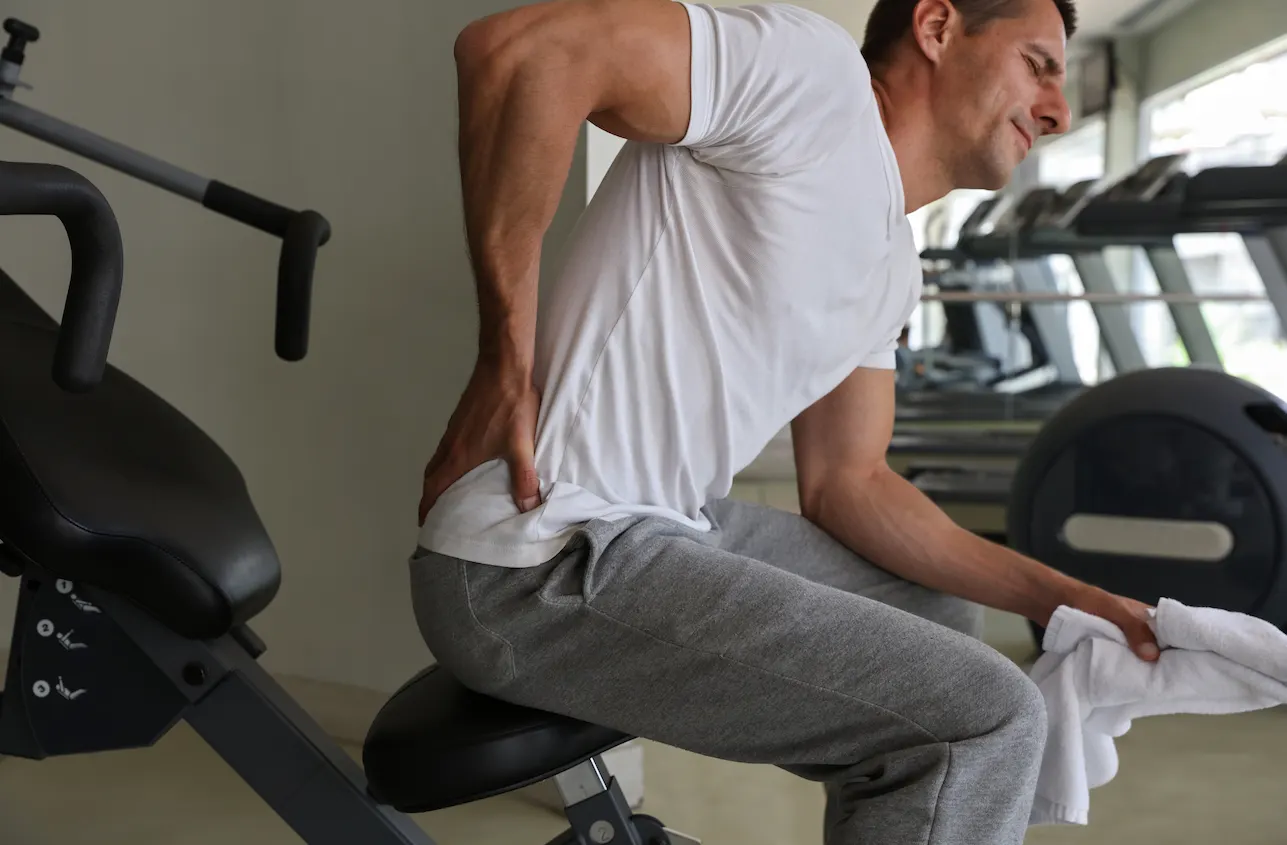
I am often asked this question in practice and the answer varies according to the particular health status of the patient at that point in time, but generally there are some rules you can follow to minimise the risk of injury or aggravation of your back when exercising.
First of all avoid anything that is high impact like running, aerobics and competitive sports like football, netball and soccer until the acute phase is over; ie: day-to-day movement is comfortable and any inflammation has significantly decreased.
Next avoid anything that puts your back in a bent over and or twisted position like yoga, or dead-lifts. (beware gardening, lifting washing baskets and even putting on shoes, socks & undies)
Finally, avoid lifting heavy weights for now.
Exercises to try are walking, swimming (freestyle and backstroke are usually best; avoid breaststroke and butterfly), water aerobics and deep water running. Pilates is certainly popular but may or may not be appropriate for you, so make sure you check with your Practitioner.
“Oh Yawn” I hear you say . . . but how do I get my heart rate up and really feel like I’m doing something?”
The answer is to ask your Practitioner and get good help . . . the best way to exercise following a back injury or during times of pain is under the supervision of a competent Personal Trainer who will consult with your Practitioner to provide the best outcomes for you. Your Personal Trainer can take the risk out of many cardio activities by keeping your posture in check, reminding you which muscles to engage and changing the activity when your technique deteriorates because of fatigue.
In time, weights, running and high impact sports may be possible again if you give your back time, exercise with supervision and follow the advice of your health care provider.
If back pain comes with numbness in the groin or buttocks, trouble passing urine or bowel motions, leg weakness, fever or unexplained weight loss, see your GP or go to an emergency department straight away.
Share this article
Want to talk it through?
Book a visit with Dr Bianca on Glenferrie Road, Malvern. No GP referral needed, and you can claim on the spot with HICAPS.
This article is general information only and is not a substitute for advice about your own health. Please see your GP or health professional about your situation. In an emergency, call 000. See also back and neck pain.