Back and neck pain
Understanding disc bulges
By Dr Bianca Beaumont (Chiropractor)
What Is a Disc Bulge?
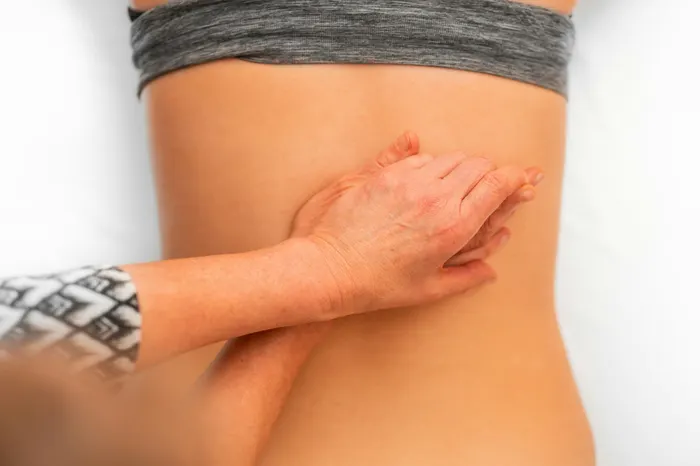
A disc bulge, sometimes referred to as a slipped disc, occurs when the outer layer of an intervertebral disc weakens and allows the inner material to press outward. Unlike a herniated disc, the inner contents don’t fully rupture through, but the bulging can still place pressure on nearby spinal nerves. Disc injuries are one of the most common spinal conditions that Chiropractors see. Chiropractors are trained to assess spinal function, identify possible disc involvement, and provide conservative (non-surgical) care to support recovery.
Symptoms of a Disc Bulge
Disc bulges may present differently depending on where in the spine the problem occurs.
Common symptoms include
● Localised pain in the lower back or neck
● Radiating pain (such as sciatica), sending pain down the leg or arm
● Pins and needles, tingling, or numbness in the limbs
● Muscle weakness or reduced grip strength
● Stiffness and reduced mobility in the spine
● Changes in bladder or bowel function, or numbness around the groin or buttocks: go to an emergency department straight away.
A disc bulge can significantly affect daily activities and quality of life, but conservative management, such as chiropractic care, can help many people manage symptoms and get on with daily life.
What Causes a Disc Bulge?
Several factors may contribute to disc bulges, including:
● Age-related wear and tear of the spine
● Poor posture or prolonged sitting
● Repetitive lifting or strain injuries
● Sudden trauma, such as falls or accidents
● Lifestyle factors like reduced exercise, smoking, or carrying excess weight
It is worth getting symptoms assessed early, so you know what you are dealing with.
How Chiropractic Care Can Help
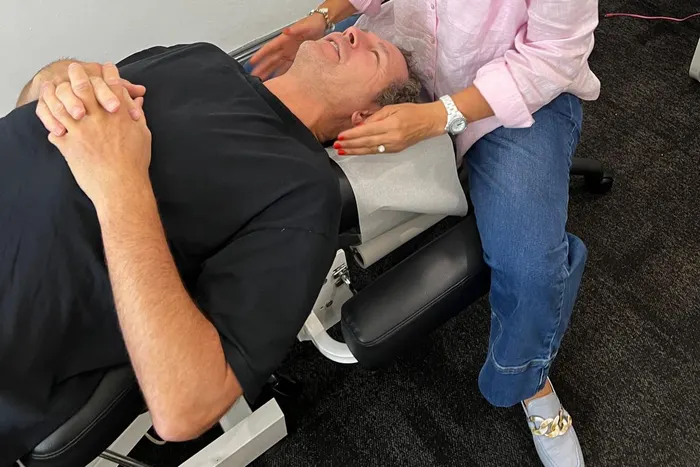
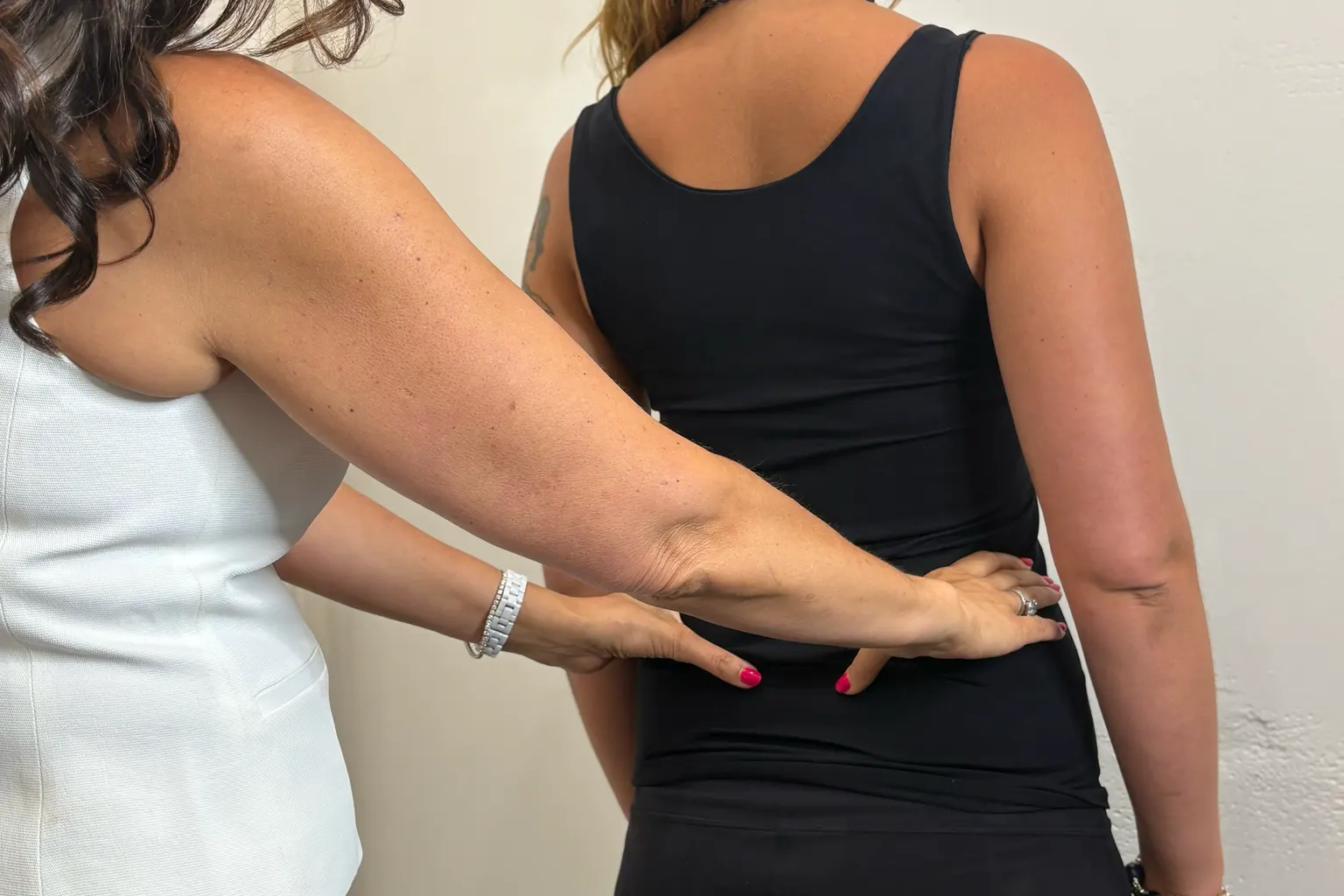
The Australian Chiropractors Association advocates for evidence-informed, patient-centred care. For disc bulges, this starts with a thorough assessment. Chiropractors conduct a comprehensive history and physical examination to determine if chiropractic care is suitable. If red-flag symptoms are present, such as severe nerve involvement or bladder/bowel changes, patients are referred for immediate medical evaluation. Other less-severe presentations may necessitate a referral for x-ray and/or MRI.
Gentle Spinal Adjustments
Where appropriate, gentle spinal adjustments can help the spine move more freely, which may ease some symptoms.
Soft tissue techniques and supportive care
Soft tissue therapies, anti-inflammatory gel and ice packs may help ease muscle guarding.
Exercise and lifestyle guidance
Exercise rehabilitation and changes to your posture and desk set-up are an important part of recovery. Chiropractors often prescribe tailored mobility and strengthening programs.
Holistic, Conservative Management
Chiropractic care offers a non-invasive, drug-free approach to managing disc bulges. For many people, it sits alongside other medical care.
Why choose Happy Healthy Grateful Chiropractic Care in Malvern?
At Happy Healthy Grateful Chiropractic Care, Dr Bianca Beaumont (Chiropractor) brings 22 years of clinical experience and a personalised approach. We provide:
● A comprehensive assessment before treatment begins including scans where
indicated.
● Gentle chiropractic care tailored to your needs
● Rehabilitation strategies to support long-term recovery
● Lifestyle and ergonomic guidance
● Referral to medical specialists and surgeons where needed
Next steps
If you are experiencing back pain, tingling or weakness that may be related to a disc bulge, getting it assessed is a good first step. Book a consultation with Dr Bianca Beaumont at Happy Healthy Grateful Chiropractic Care in Malvern. We welcome patients from Malvern and nearby suburbs, including Glen Iris, Armadale, Kooyong, and Toorak. We will work with you on a plan to help you move more comfortably.
Share this article
Want to talk it through?
Book a visit with Dr Bianca on Glenferrie Road, Malvern. No GP referral needed, and you can claim on the spot with HICAPS.
This article is general information only and is not a substitute for advice about your own health. Please see your GP or health professional about your situation. In an emergency, call 000. See also back and neck pain.