Back and neck pain
Lower back pain: tools and techniques that support your care
By Dr Bianca Beaumont (Chiropractor)
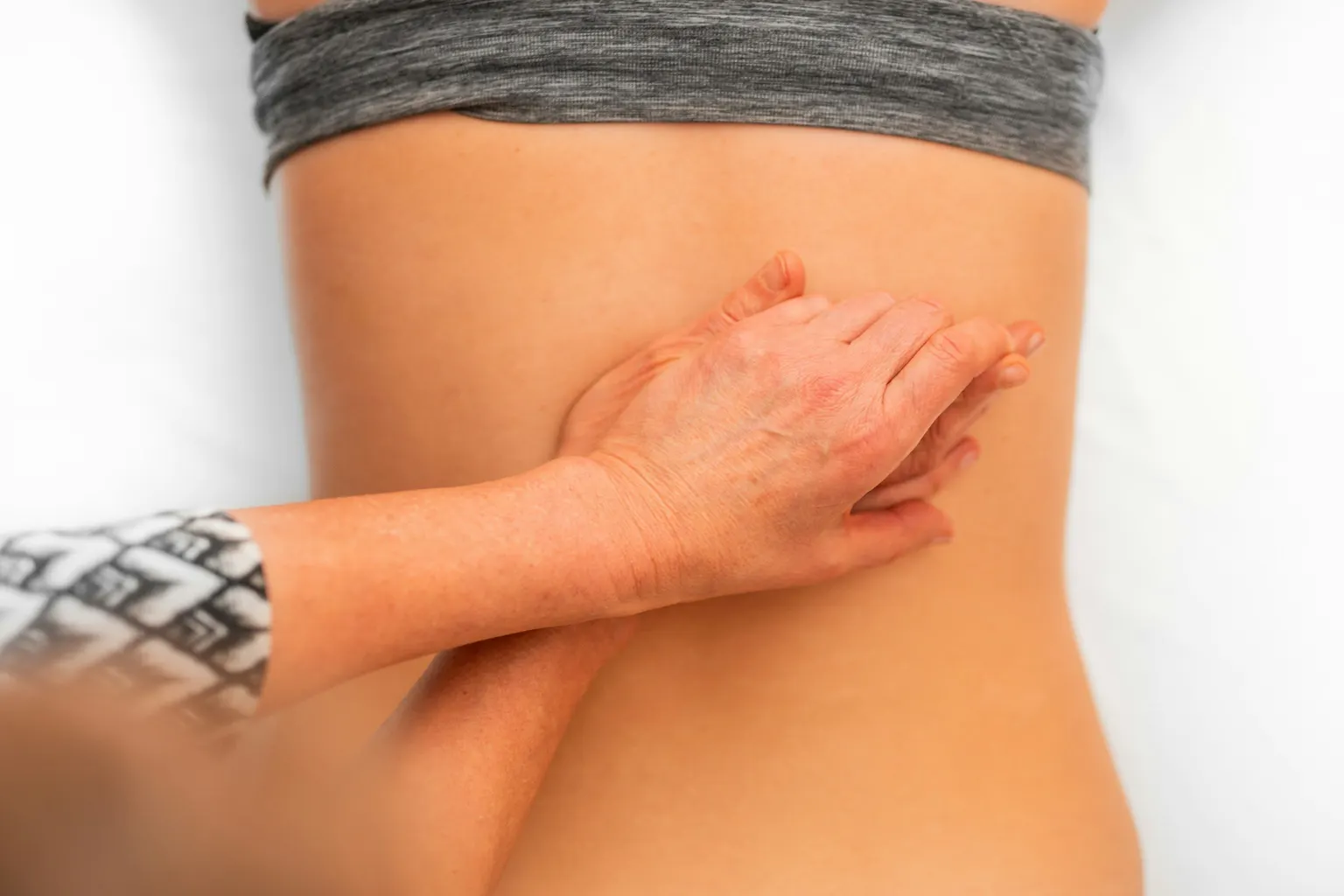
Lower back pain is a common issue that affects millions of people worldwide. Whether it’s due to poor posture, prolonged sitting, or heavy lifting, managing this pain is essential for maintaining a good quality of life. Many people come to us for lower back pain, and combining chiropractic care with self-care tools and exercises at home can be a useful approach.
Where chiropractic care fits
Chiropractic care focuses on the spine, joints and muscles. Care starts with an assessment of what is going on, then a plan that may include hands-on treatment, exercises and advice on everyday habits.
Incorporating the Spiky Ball and Foam Roller
To complement your chiropractic adjustments, consider integrating tools like the spiky ball and foam roller into your daily routine:
- Spiky Ball This small, textured ball is handy for targeted pressure. By placing it on the ground and gently rolling your lower back or glutes over the ball, you can release tightness and tension in those areas. Aim for 5 to 10 minutes daily, focusing on any knots or tight spots. Many people find this helps tight areas feel looser.
- Foam roller: A foam roller is a useful tool for self-massage of larger muscles. Spend 10 to 15 minutes rolling out your lower back, hamstrings, and quadriceps after your workouts or on rest days. Make sure to move slowly and breathe deeply to maximise relaxation and effectiveness.
Exercise Recommendations
Regular exercise is crucial for maintaining a healthy back. Here are a few exercises that can strengthen your core and improve flexibility:
- Cat-Cow Stretch: This gentle yoga stretch helps improve spinal flexibility and relieve tension in the back.
- Bird-Dog Exercise: This exercise strengthens your core while promoting balance and stability.
- Bridges: A great way to strengthen your glutes and lower back, bridges also help improve posture.
Aim for at least 30 minutes of moderate exercise most days of the week. If an exercise increases your pain, stop and check with us or your GP.
Putting it together
Managing lower back pain usually works best as a combination: understanding what is going on, staying active, and using simple tools at home. If back pain comes with numbness in the groin or buttocks, trouble passing urine or bowel motions, leg weakness or fever, see your GP or go to an emergency department straight away.
The spiky ball is available in our Health Store. If you would like help with your back, book an appointment with Dr Bianca.
Share this article
Want to talk it through?
Book a visit with Dr Bianca on Glenferrie Road, Malvern. No GP referral needed, and you can claim on the spot with HICAPS.
This article is general information only and is not a substitute for advice about your own health. Please see your GP or health professional about your situation. In an emergency, call 000. See also back and neck pain.