
Movement, posture and ageing well
Understanding knee pain
By Dr Bianca Beaumont (Chiropractor)
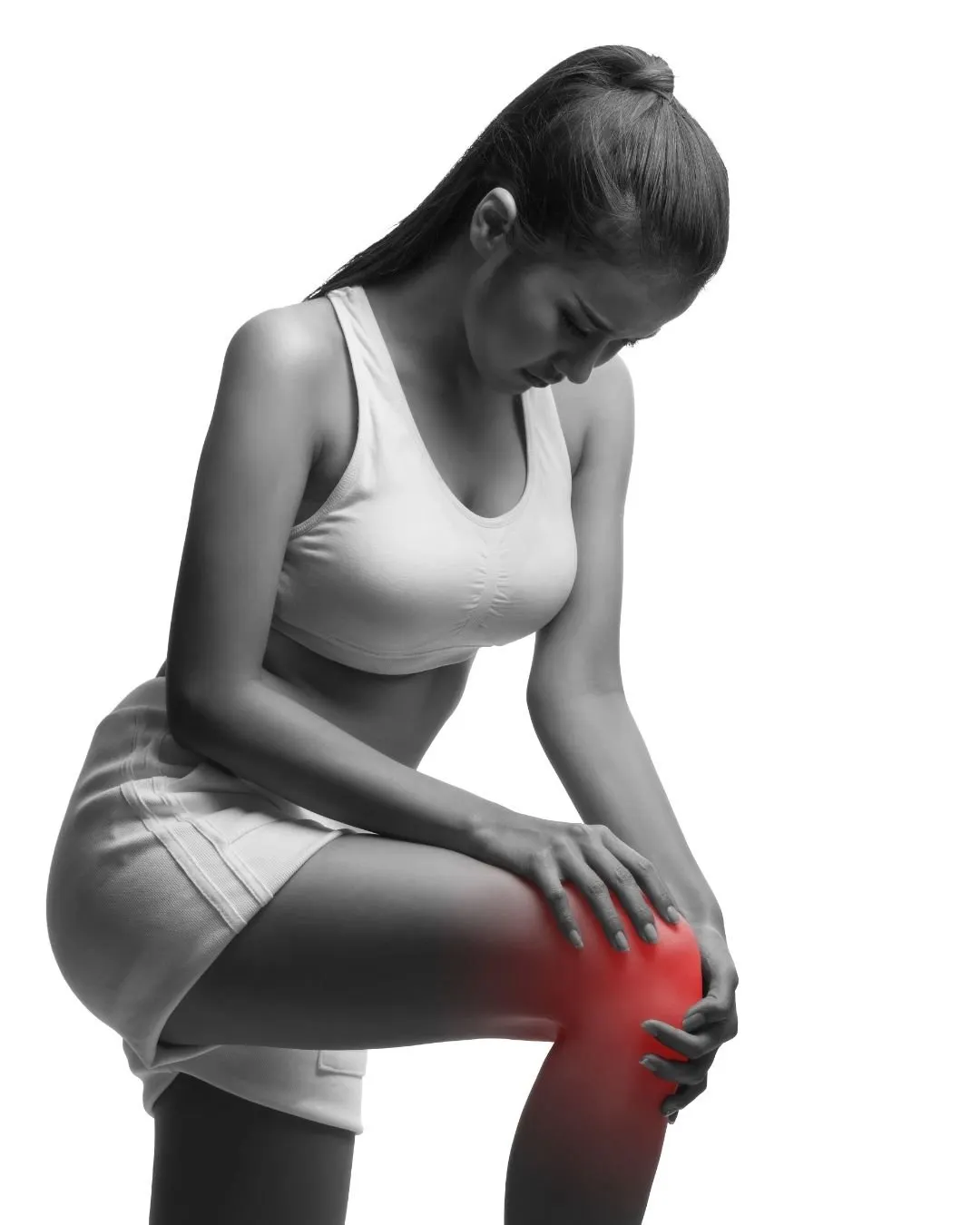
Causes, treatments and the importance of conservative care
Knee pain is a prevalent issue affecting individuals of all ages, from young athletes to older adults. The knee is a complex joint that bears the weight of the body and is crucial for movement; so when pain occurs, it can significantly impact daily activities. Let’s look at the common causes of knee pain, the importance of conservative care, and the role of imaging in diagnosis before considering pharmaceutical or surgical interventions.
Common Causes of Knee Pain
Knee pain can arise from various factors, and understanding these causes is the first step in effective treatment. Here are some of the most common reasons for knee pain:
1. Osteoarthritis
Osteoarthritis is the most common form of arthritis and occurs when the cartilage that cushions the knee joint wears down over time. This degeneration can lead to pain, swelling, and decreased mobility. Risk factors include age, obesity, and previous knee injuries.
2. Injuries
Injuries such as ligament tears (like the anterior cruciate ligament or ACL), meniscus tears, or tendonitis can cause acute knee pain. These injuries often occur during sports activities or falls.
3. Bursitis
Bursitis is the inflammation of the bursae, small fluid-filled sacs that cushion the knee joint. It can be caused by repetitive movements, prolonged kneeling, or trauma.
4. Patellar Tendonitis
Also known as “jumper’s knee,” this condition is characterized by inflammation of the tendon that connects the kneecap (patella) to the shinbone (tibia). It is common among athletes who engage in high-impact sports.
5. Iliotibial Band Syndrome
This condition occurs when the iliotibial band, a ligament that runs along the outside of the thigh, becomes tight or inflamed, causing pain on the outer side of the knee. It is common in runners and cyclists.
6. Trigger Points in the Vastus Medialis and Rectus Femoris Muscles
Trigger points are tight, painful areas in muscles that can refer pain to other areas of the body, including the knee. The vastus medialis and rectus femoris, two muscles in the quadriceps group, can develop trigger points that lead to knee pain. Dysfunction in these muscles can affect knee stability and movement, causing discomfort and limiting function.
Chiropractors are primary contact practitioners, which means you can see us without a GP referral, and we can assess where your knee pain is coming from. This will involve a thorough examination of the knee including orthopaedic and neurological testing and referral for medical imaging if necessary. Care might then involve gentle adjustments, soft tissue therapy, taping and exercises, or a referral to another practitioner, your GP or a surgeon where that is the better path. If your knee is hot, very swollen, locked or unable to take weight after an injury, see your GP or go to an emergency department.
If knee pain is getting in the way, book an appointment.
Share this article
Want to talk it through?
Book a visit with Dr Bianca on Glenferrie Road, Malvern. No GP referral needed, and you can claim on the spot with HICAPS.
This article is general information only and is not a substitute for advice about your own health. Please see your GP or health professional about your situation. In an emergency, call 000. See also movement, posture and ageing well.