Stress, sleep and the nervous system
Chiropractic care and the nervous system after periods of stress
By Dr Bianca Beaumont (Chiropractor)
If you’ve been feeling tired but wired, holding tension in your jaw or shoulders, struggling with sleep, or finding it harder to “switch off” after a busy holiday season, you’re not alone.
For many people in our local Malvern community, stress doesn’t always look like panic or overwhelm.
Sometimes stress looks like:
- exhaustion that doesn’t improve even after rest
- tightness through the neck, shoulders, chest or lower back
- headaches or jaw clenching
- irritability, emotional sensitivity, or brain fog
- light or broken sleep
- digestive changes
The important thing to understand is this:
Stress isn’t only a mental experience: it’s a whole-body response
After prolonged periods of stress, the body often needs support to return to a state of calm, balance and repair.
What stress does to the nervous system
When your body perceives pressure, threat or overload, it activates what is commonly known as the “fight or flight” response.
During stress the body releases hormones such as adrenaline and cortisol, helping us stay alert and ready to respond, ready to fight or escape.
This response is useful in short bursts. But when stress becomes persistent, the nervous system can stay “switched on” longer than it should.
The autonomic nervous system has two major parts:
- the sympathetic nervous system (stress response)
- the parasympathetic nervous system (rest and recovery)
When your system remains in sympathetic mode too long, the body can struggle to properly settle into rest, digestion, sleep and repair.
The “stuck in stress mode” signs we commonly see
In practice, many people don’t walk into the clinic saying “my nervous system is dysregulated.”
They say things like:
- “I feel on edge for no reason.”
- “I can’t relax even when I want to.”
- “I’m snapping more than usual.”
- “I wake up tired.”
- “I’ve got headaches or tension constantly in my jaw, neck, shoulders.”
- “My body feels tight like it can’t let go.”
This is your body telling you it needs some support.
So where does chiropractic come in?
Chiropractic care is often associated with back and neck pain and stiffness, and many people come to us for tension, discomfort and movement.
But it’s also important to understand that the spine is deeply connected to the nervous system.
Your spine:
- protects the spinal cord
- influences how the body senses and responds to the environment
- affects movement, posture and muscular tension patterns
When stress increases, the body tightens protective muscles, changes posture, and becomes more guarded, particularly around the neck, shoulders, mid-back and jaw.
That physical tension then feeds back into the nervous system, reinforcing the “stress loop.”
Easing that physical tension is one part of breaking the cycle, alongside the other things that help with stress.
5 ways chiropractic care can fit into your recovery after stress
1) Reducing muscle guarding and tension
Under stress, the body becomes protective. Muscles tighten without us even noticing.
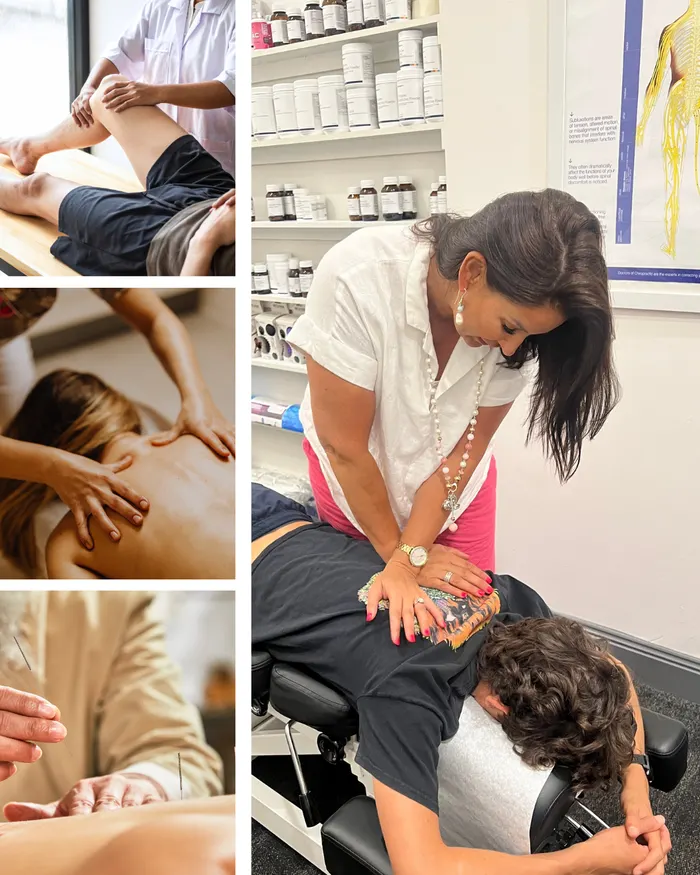
Chiropractic adjustments and soft tissue support can help reduce this muscular guarding, particularly through:
- neck and shoulders
- jaw tension patterns
- mid-back tightness
- lower back load
When your body feels less tense, it is often easier to relax.
2) Supporting spinal movement and posture
Correcting poor posture isn’t about sitting perfectly straight.
Often it’s a pattern that builds up, especially after long periods of stress and long hours at a desk.
When spinal movement improves, the body has more freedom and can move more efficiently. This can ease the load placed on muscles and joints that are already stressed.
3) Helping the body switch into “rest and restore”
The parasympathetic system is responsible for:
- rest
- digestion
- recovery
- repair
- sleep quality
Things that help many people shift into this state include slow breathing, gentle movement, time outdoors and a regular sleep routine. Easing physical tension can make these easier to do.
4) Creating space for other strategies to work better
Breathwork, walking and better sleep habits are useful tools.
But when the body is locked in tension and overload, it can be very hard to implement those tools consistently.
For some people, easing physical tension makes it easier to stick with healthy habits.
5) Looking after yourself before you burn out
One of the biggest shifts we love helping people make is moving from “help me when I’m struggling” to “help me look after myself so I don’t burn out again.” Stress management techniques such as breathing, relaxation and lifestyle changes are widely recommended for ongoing stress, including by GPs.
Chiropractic care can sit alongside this by helping with the physical side: muscle tension, stiffness and posture.
A gentle reset plan after stress
Here are a few of our favourite simple strategies after a stressful stretch:
- 10-minute walk outdoors daily (phone-free if possible)
- 2 minutes of slow breathing with long exhales, or box breathing.
- Reduce screen stimulation before bed, phone down at least ½ hour before bed.
- Hands-on care for tension, stiffness and posture
Consistency beats intensity every time
When to seek extra support
If stress symptoms have been with you for weeks or months, you do not need to “push through”.
If you’re experiencing persistent anxiety or overwhelm, ongoing fatigue or sleep disruption, talk to your GP, who can help you find the right support. If physical tension, headaches or jaw clenching are part of the picture, chiropractic care may be one useful piece. If you are in crisis, call Lifeline on 13 11 14, or 000 in an emergency.
Book an appointment with Dr Bianca (Malvern)
At Happy Healthy Grateful Chiropractic, our focus is gentle, whole-body care.
If stress has left you tense, stiff or sore, we can build a plan around you, looking at:
- tension and posture
- movement and stiffness
- everyday habits, including sleep and your desk set-up
Book an appointment with Dr Bianca when you’re ready.
Share this article
Want to talk it through?
Book a visit with Dr Bianca on Glenferrie Road, Malvern. No GP referral needed, and you can claim on the spot with HICAPS.
This article is general information only and is not a substitute for advice about your own health. Please see your GP or health professional about your situation. In an emergency, call 000. See also stress, sleep and the nervous system.